What do a tsunami, a strum of a guitar string, an earthquake, and a beam of sunlight have in common? Waves! This topic can seem a little tricky to teach since it can be such an abstract concept. We can’t always observe the actual amplitudes and wavelengths of light or sound waves with ordinary classroom equipment, so we need to get a little creative to help students understand the details of how waves behave and occur in our daily lives.
Let’s take a look at 5 resources that can teach students about waves using hands-on activities featuring models, detailed diagrams, and real-life examples to get the point across effectively!
We will start with 4th-grade NGSS, then move to 4th-grade TEKS and 6th-grade TEKS.
1. 4th Grade NGSS Energy and Waves Unit
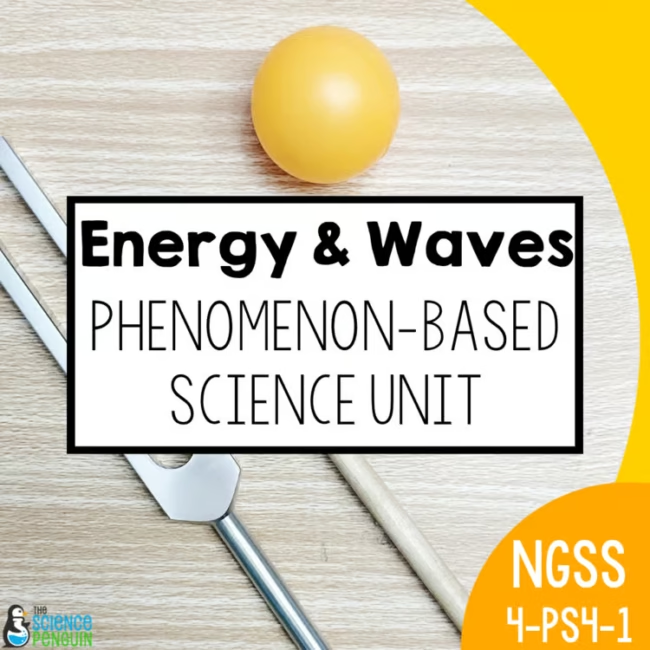
This 11-day unit follows the 5E model as students sort wave-related energy examples, use a rubber band attached to a box to “see” the effects of different amplitudes, learn vocabulary terms, explore how barcodes relate to waves, and use tuning forks and ping-pong balls to explore wave action.
Students can also get creative by designing their own code-based communication tools! Assessment options include a CER, quiz, and open response. It’s packed with opportunities that ensure students understand key ideas about waves and how they can be used, aligned to 4th grade NGSS. See it on TPT: 4th NGSS Energy and Waves Unit
2. 4th Grade Waves Test Prep Task Cards
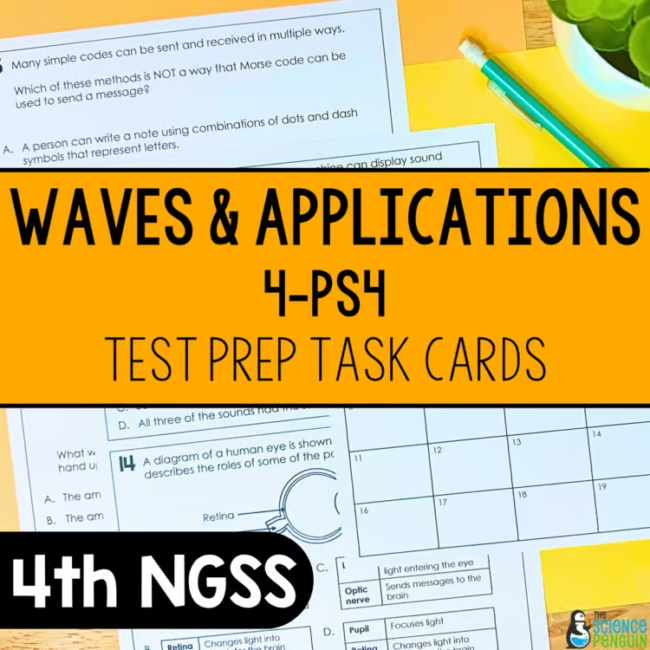
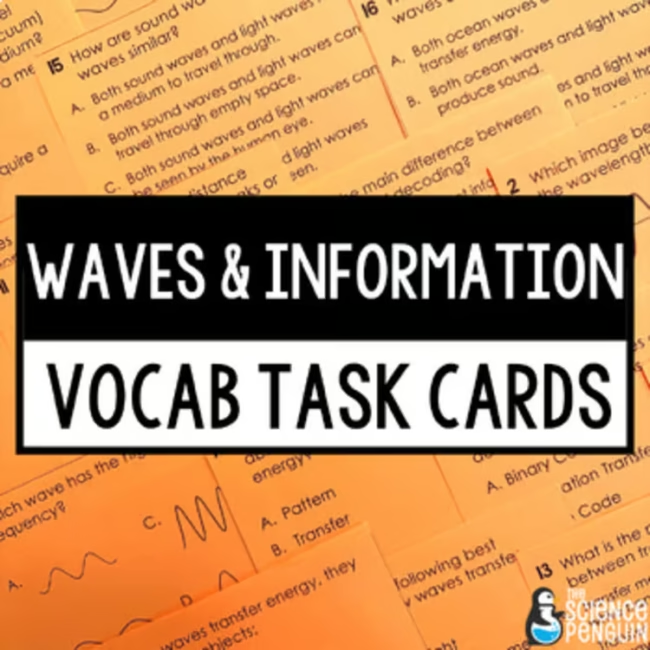
Waves Test Prep Task Cards are perfect for analyzing diagrams and examples about waves and their applications. These 20 questions are rigorous, designed to provide practice toward the expectations of modern standardized tests.
They cover wave vocabulary, how light waves allow us to see objects, and ways that patterns can be used to store and send information. You can have students use these as a game-like activity, as an independent practice, or even as an assessment for all 4-PS4 standards!
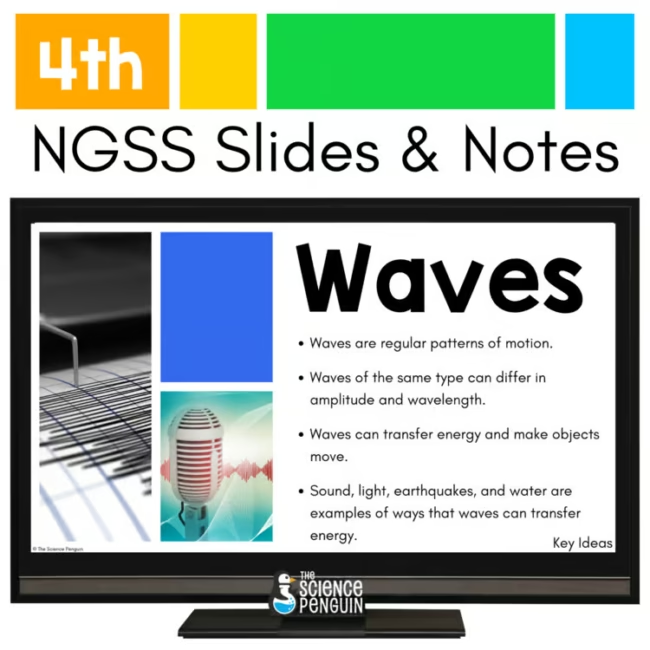
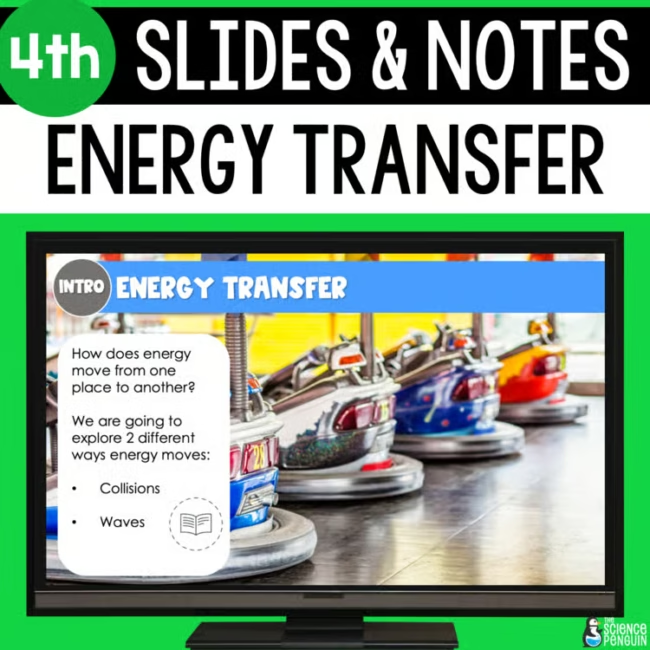
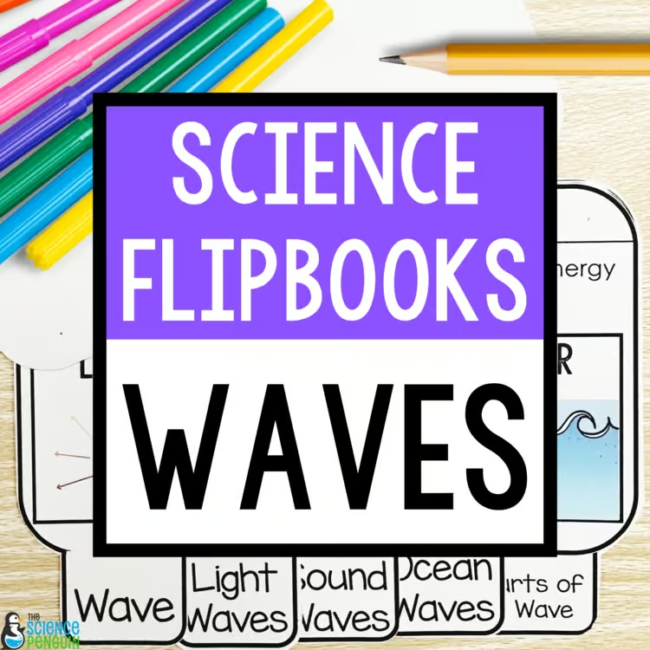
To ensure that students understand 4th grade NGSS concepts about waves, this slideshow and accompanying notes pages do the trick. They can learn all about the parts of a wave, how light and sound waves behave, and explore real-life wave examples like earthquakes and water waves.
Diagrams and images support the information, and discussion questions are sprinkled in the slideshow. Students are held accountable by using one of the differentiated notes pages, and there is even a notebook reflection option.
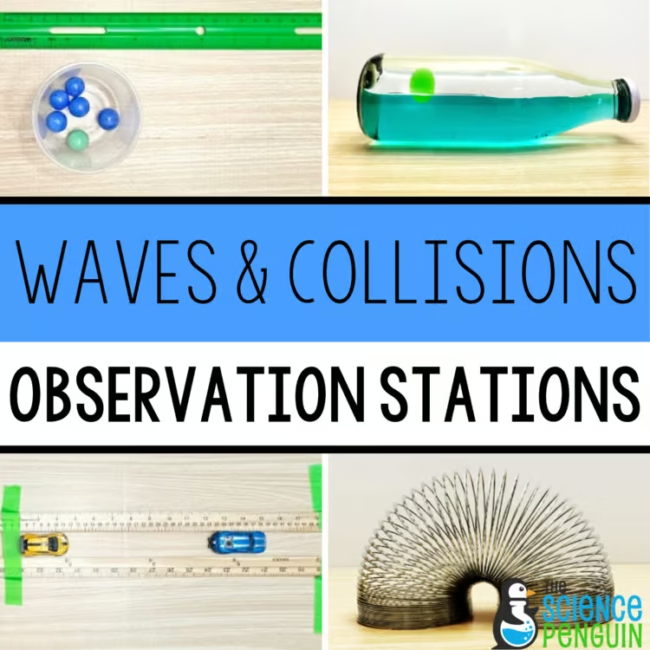
Hands-on activities help to bring 4th grade TEKS concepts about waves and the transfer of energy to life using these 6 stations. Students analyze an ocean wave model, see how surface waves occur in water, investigate collisions with toy cars and marbles, use a slinky to model wave action, and practice using a cup telephone to hear the transfer of sound energy! See it on TPT: 4th TEKS Waves and Collisions Observation Stations
5. 6th Grade TEKS Waves Activity Pack
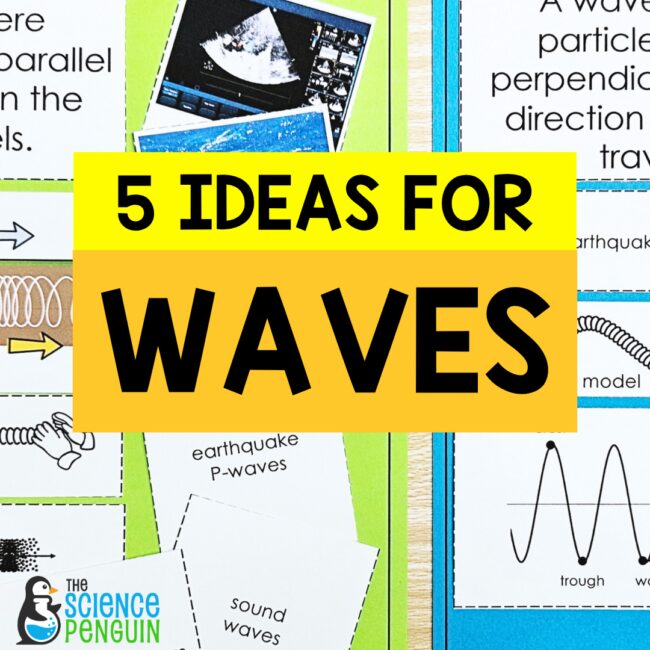
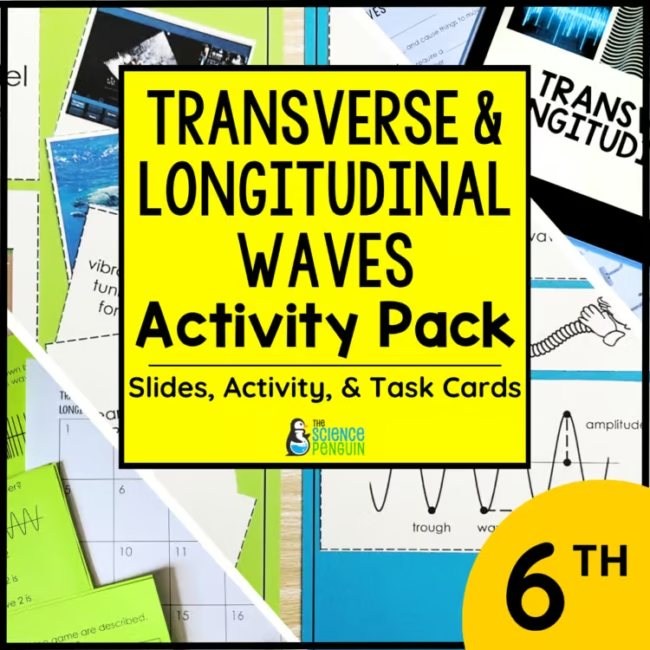
In the 6th grade TEKS, students get into the differences between transverse and longitudinal waves. We have 3 resources combined into one Activity Pack to cover this topic thoroughly!
Slides and Notes are full of vocabulary, explanations, examples, and diagrams. They have 2 different notes options for accountability. There’s also a Sorting Activity so that students can show the difference between wave types using definitions and examples. Finally, students can use the Task Cards to analyze, compare, and contrast wave types. See it on TPT: 6th TEKS Waves Activity Pack
Don’t let waves wash over your students with limited understanding! By using the resources above that match your grade-level standards, they’ll have hands-on opportunities to make concepts about waves more concrete while analyzing plenty of diagrams and examples that provide the rigor that is needed for true comprehension.