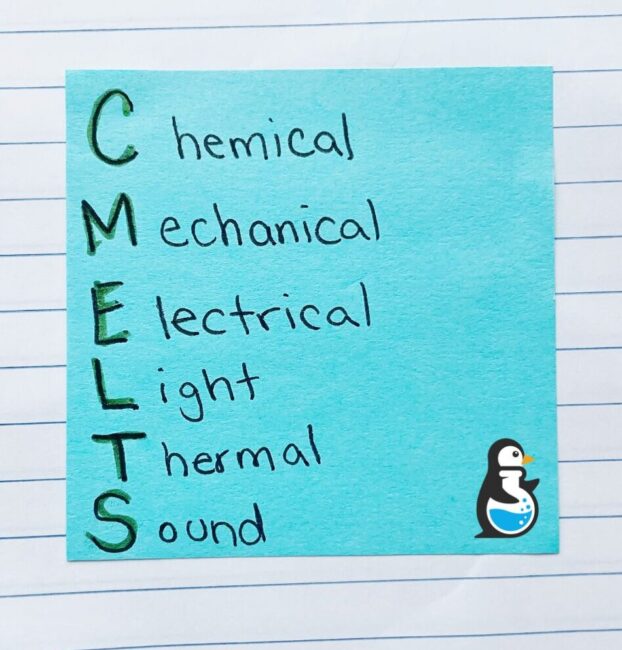
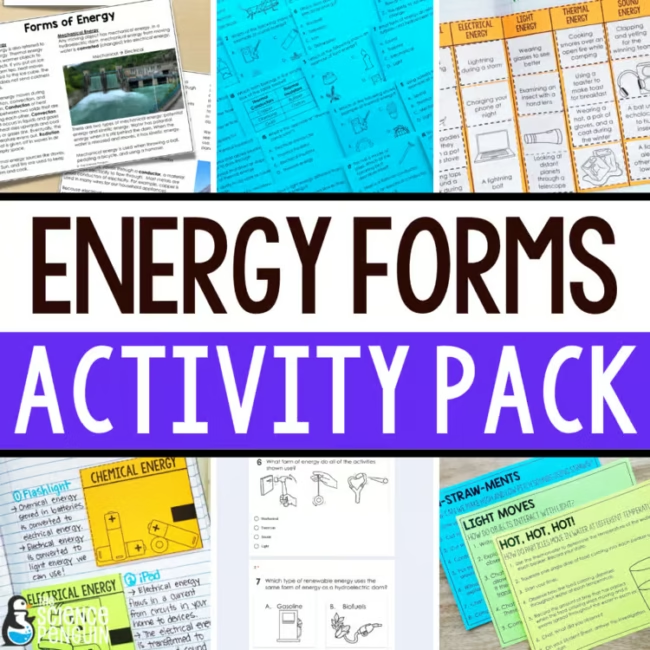
Energy is everywhere, and it can be found in several different forms! One way that I helped students remember common forms of energy was by using the acronym CMELTS. We looked at several devices like laptops, projectors, lamps, fans, and speakers to determine how each device transformed energy. With the acronym etched in their minds, students could tackle energy-related activities much more easily.
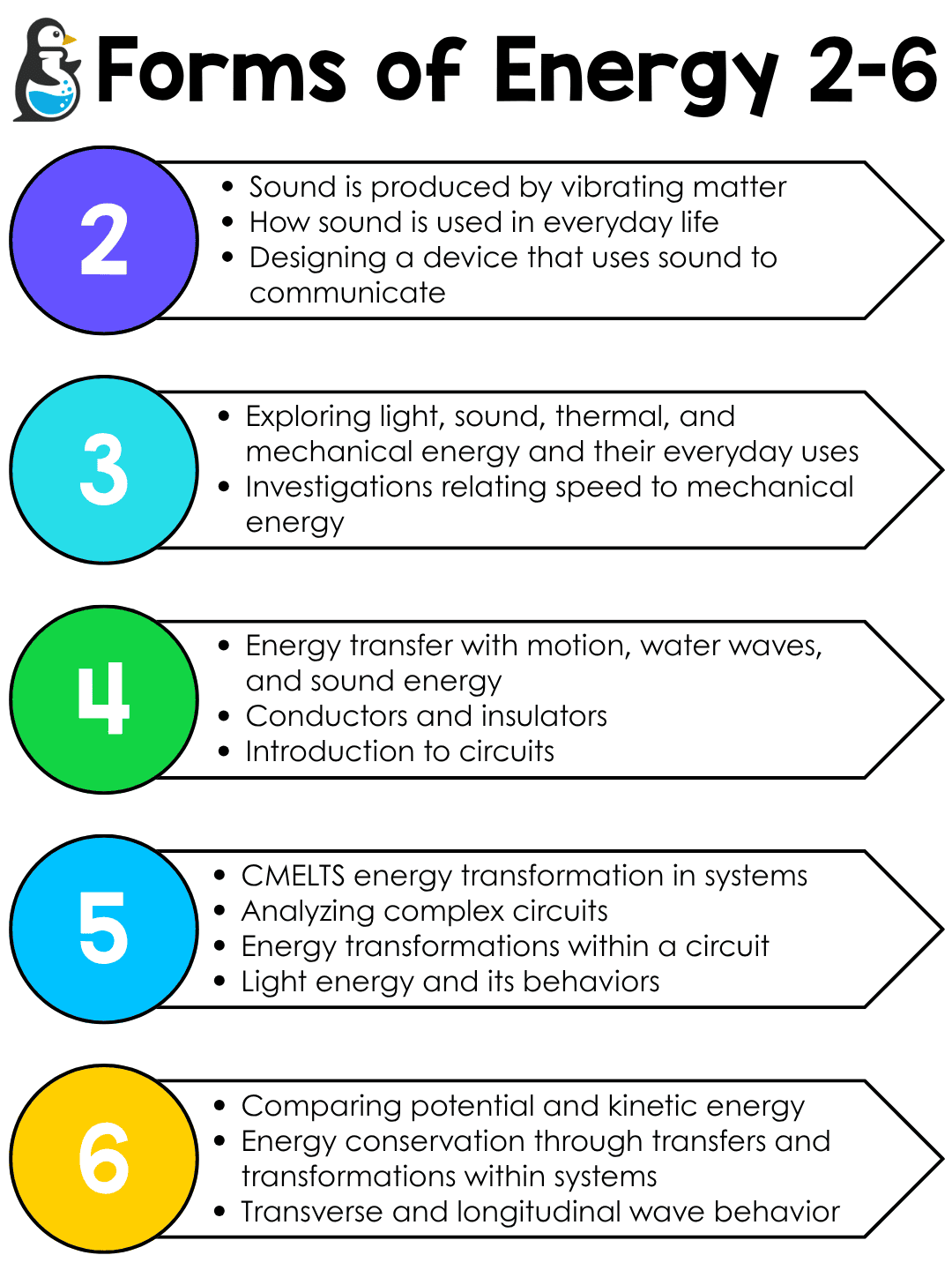
There’s a logical order within the 2nd-6th grade TEKS to introduce and explore different forms of energy to analyze how they behave. Here’s how the progression flows:
By 6th grade, all of the earlier foundational learning is put to the test. To be successful, students must have a grasp on the following skills by the end of elementary school:
Identifying characteristics and everyday examples of chemical, mechanical, electrical, light, thermal, and sound energy
Analyzing how the same form of energy can transfer from one place or object to another
Analyzing how energy can transform into another kind of energy within systems or devices
Let’s take a look at some engaging energy resources that can help to build these understandings from 2nd-6th grade!
2nd Grade Sound
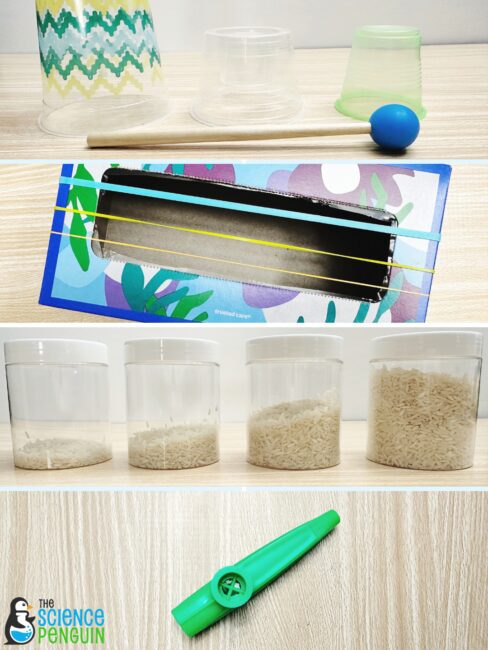
This unit contains 10 engaging ways for 2nd graders to explore sound energy! Students get hands-on with activities like modeling sound waves, experimenting with tuning forks, analyzing simple instruments, building a string phone, and designing a communication device. They also read about sound vocabulary terms and learn about sound innovations. After completing the activities, you can assess student understanding with a quiz.
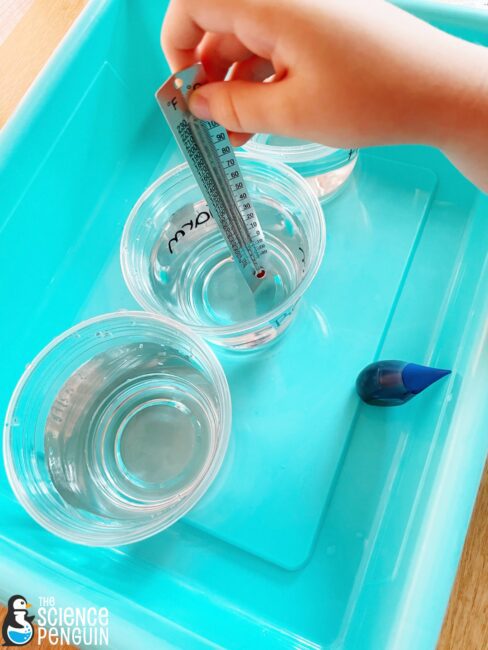
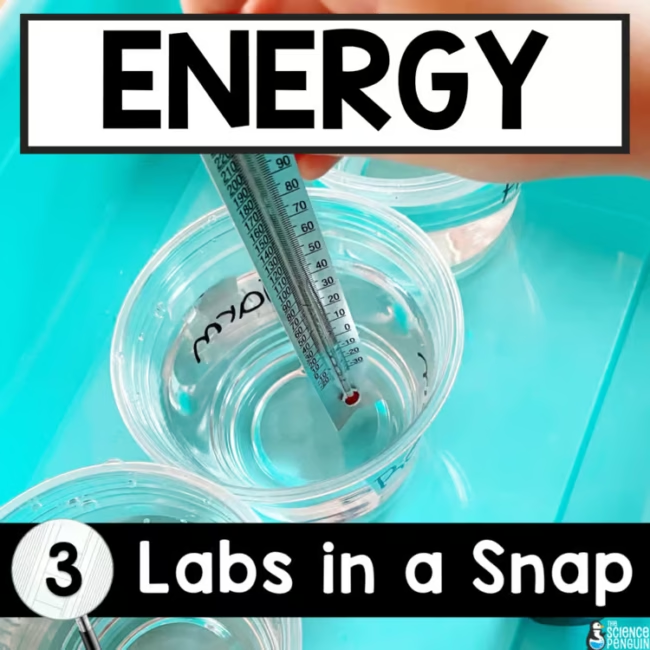
In 3rd grade, students learn about several forms of energy. These Labs in a Snap help students explore light, sound, and thermal energy in action. They make in-straw-ments to experiment with pitch, test how light behaves with everyday objects, and investigate how water temperature affects the rate of dissolving with food coloring. These are fun for students and easy for teachers to implement as you highlight the main points of these forms of energy!
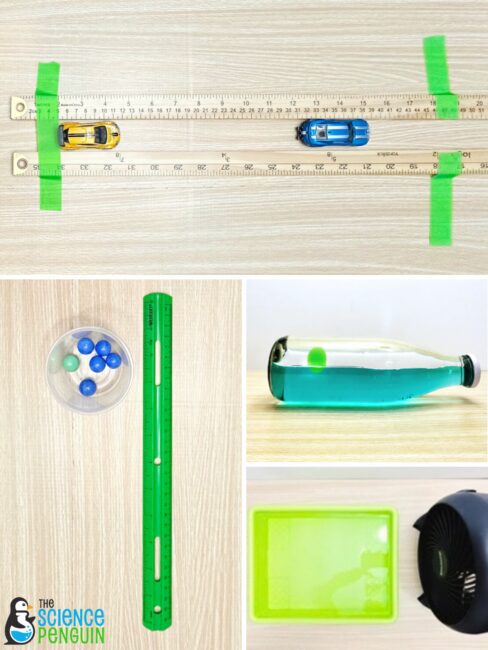
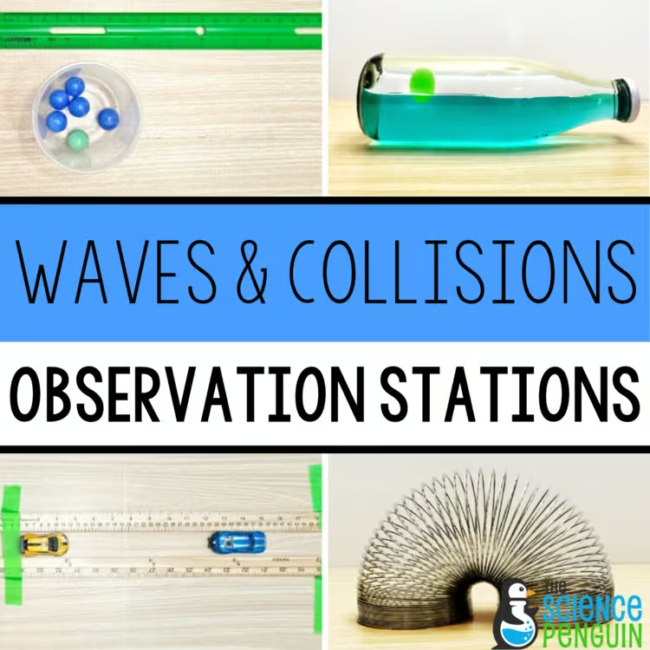
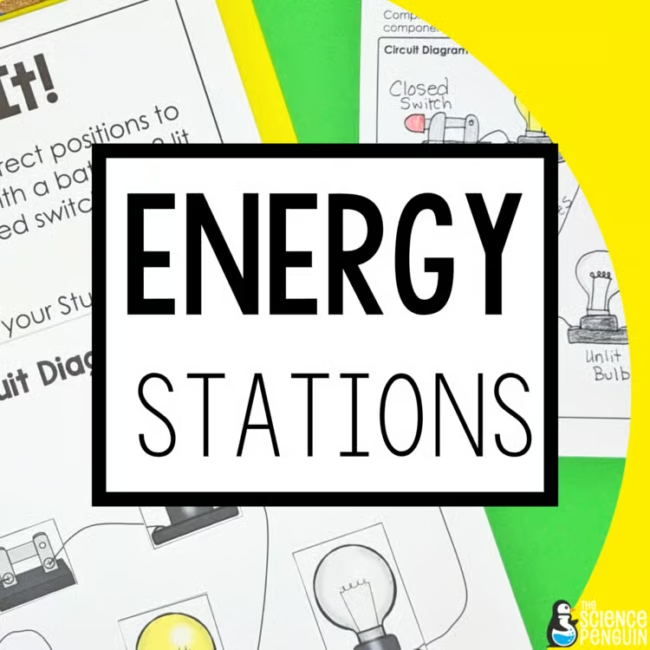
Water waves, collisions, and sound waves come to life in these 6 stations designed for 4th graders. At each station, students can investigate to see energy transfer in action. They record observations and answer questions to describe how energy was transferred in each instance. These stations are low-prep and high-engagement!
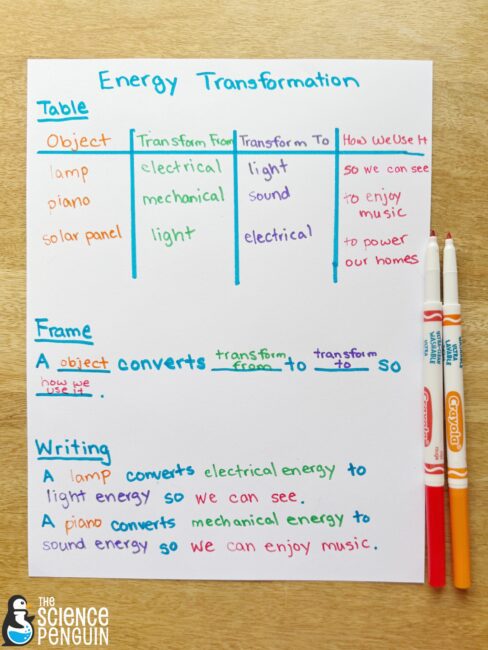
When teaching about forms of energy, it’s common to have students describe how one form of energy is transformed into another using examples from everyday life. Using a color-coded linguistic frame is a simple strategy that can help students gather their thoughts and present them in complete sentences.
Start by completing the table for each object.
Introduce the sentence frame. A ____ converts ____ to ____ so we ____.
Use the information in the table to complete the sentence frame for each object.
You’re not only involving students in a critical-thinking process about forms of energy, but also providing practice in writing complete sentences. Win-win!
5th Grade Task Cards
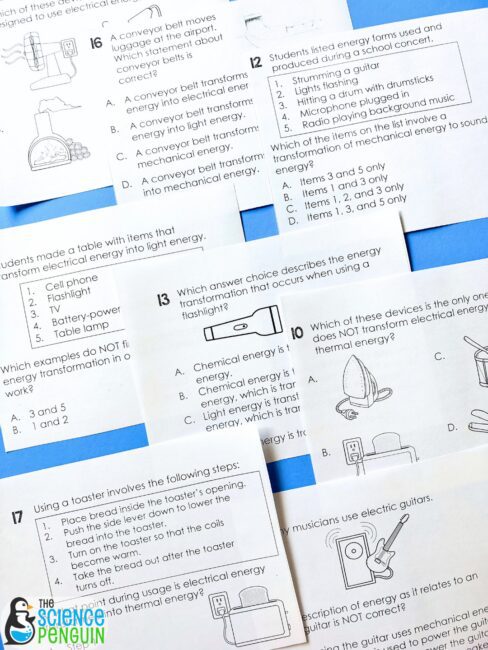
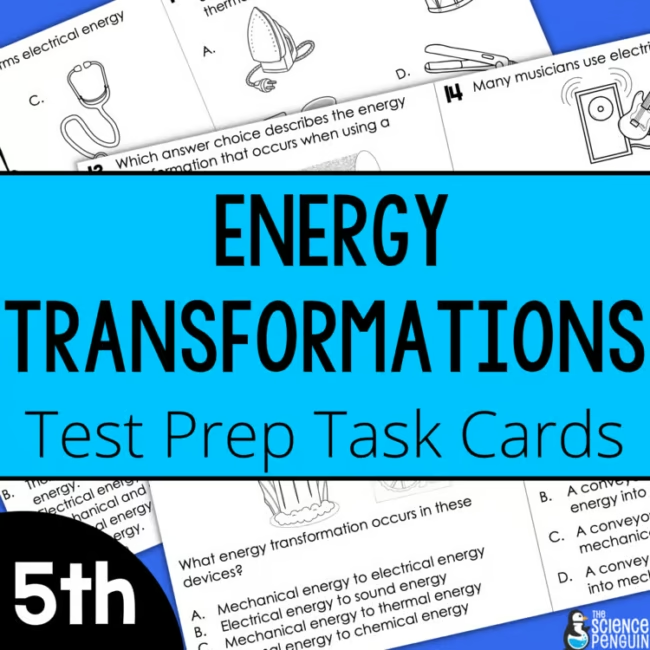
By 5th grade, students are ready to analyze forms of energy a little more deeply. This set of task cards exposes them to rigorous questions about energy transformation using familiar examples. They can be used as independent practice, projected for a game-show style competition among teams, or incorporated into a simple board game with partners. Choose from printable or digital options!
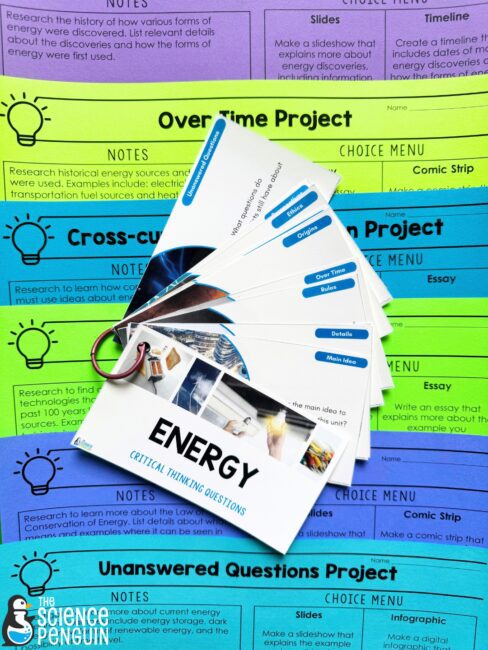
Do you have students who are ready to move beyond the standard? These project options are perfect for exploring a topic through a different lens. First, students choose between 11 different discussion questions.
Examples in this set include:
How were various forms of energy first discovered and used?
What new technologies have been developed in the past 100 years to help humans use renewable energy sources?
How do construction companies use ideas about energy when building a home?
After choosing a focus question, students select a project from a choice board tailored to that question. Project choices range from presentations, comic strips, PSAs, essays, timelines, videos, infographics, and more!
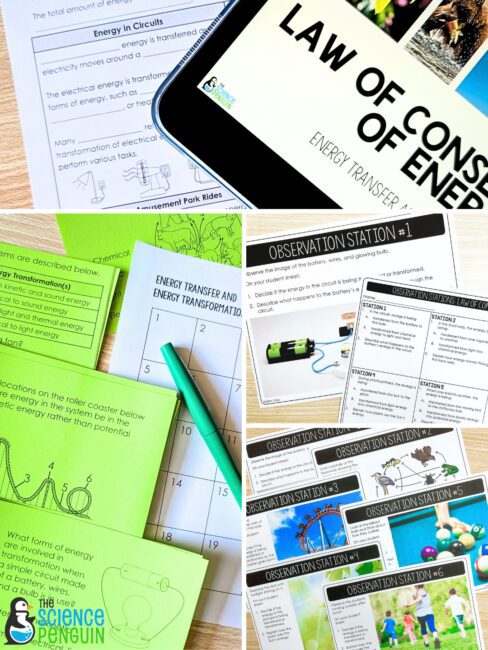
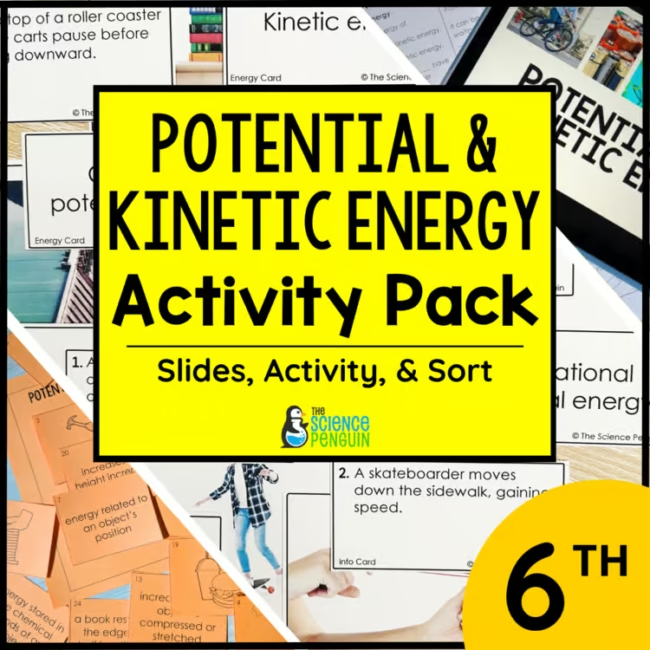
In 6th grade, students get into the nitty-gritty about energy transfer versus transformation. Determining which action is occurring within a system can be tricky! This activity pack helps you tackle that.
First, Slides and Notes provide the need-to-know information along with several discussion questions to check for understanding. The Task Cards offer 20 printable or digital questions about this topic, scaffolding from vocabulary-based questions to a more rigorous analysis with detailed scenarios or tables of information. This pack also includes a set of 6 Observation Stations that allow students to examine different systems to determine if energy is being transferred or transformed, followed by a reflection opportunity.
Energy is such a fun topic to explore because examples are all around us. By using resources like the ones above, which involve real-life energy analyses students are familiar with, your energy unit is bound to be a success!