When standardized test day rolls around, there’s nothing worse than watching a student zoom through the test without writing a single word on their scratch paper. Now that most of these tests are digital, it’s easier than ever to click-click-click without lifting a pencil.
How can you prepare students to slow down, think about the question, and effectively jot down something that may jog a memory or solidify their confidence in an answer choice?
Think Sheets to the rescue!
Learn with Holly!
In this video, Holly shows you the ins and outs of Think Sheets!
What are Think Sheets?
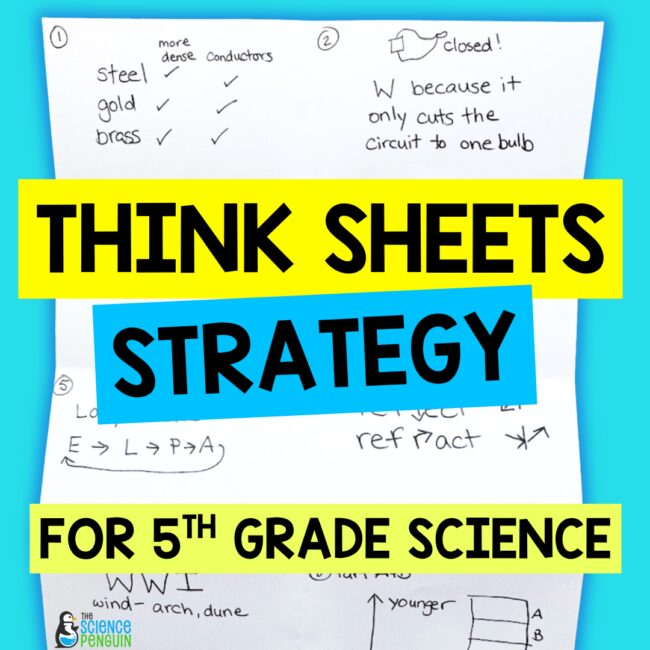
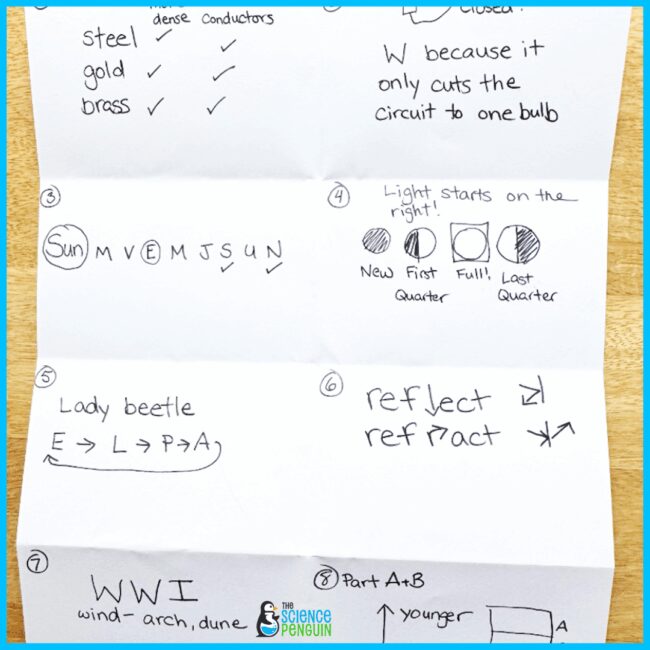
What’s a Think Sheet? Well, it’s really just a sheet of paper that’s been folded into eighths. You use this paper with any question-related routine in your classroom. Spiral Reviews, various assessments, Boom Cards, and Test Prep Task Cards are perfect for using with a Think Sheet.
As students get to each question, they use a section of the paper to jot down things like:
- Mnemonics
- Simple diagrams
- Vocabulary words/ definitions
- Answer elimination notes
- Anything else that may help them with the question!
Getting Started with Think Sheets
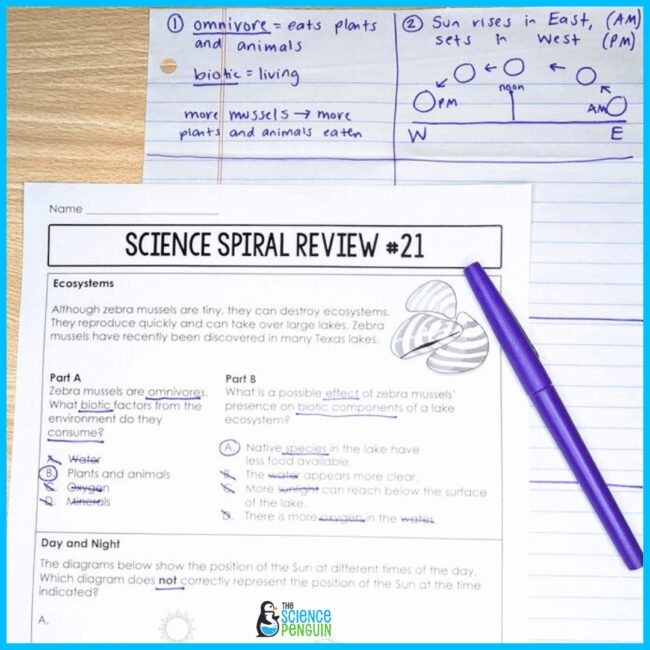
In class, you can start at the beginning of the year by explaining your thought process as you make a Think Sheet on the document camera alongside a question. Spiral Review is a perfect resource for modeling this daily at the beginning of the year.
As you go over each Spiral Review question, model what your teacher Think Sheet would look like and have students follow along on theirs. Gradually, you can let them try it on their own and even come share their examples on the document camera!
Think Sheet Routines
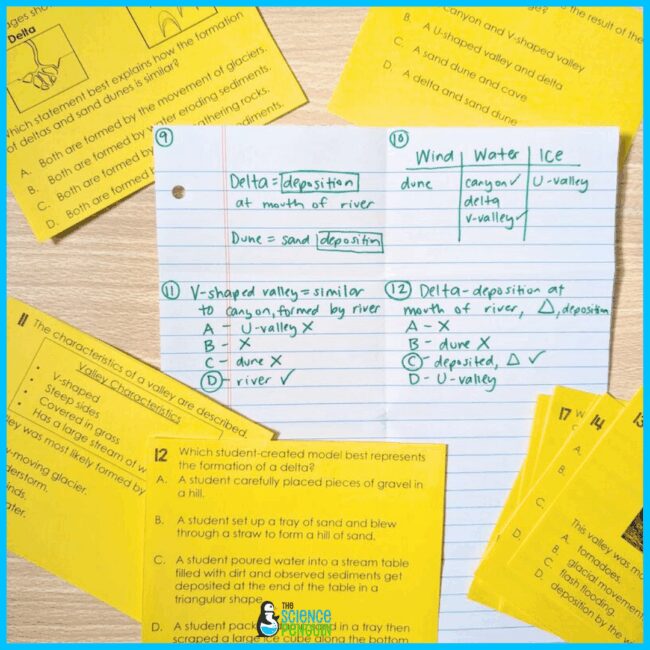
You can make it a routine for students to use a Think Sheet when completing activities like Test Prep Task Cards and Boom Cards, too. All it takes is getting into the habit of taking out a sheet of notebook paper, folding it into eighths, and using it as a note space whenever they use question-based activities.
Whether they are working with a printed resource or a digital resource, their Think Sheet can be the place where they show what they know.
When it’s time to go over each question, that’s a perfect opportunity to discuss what could go on a Think Sheet and to model or showcase volunteer examples.
Assessments and Think Sheets
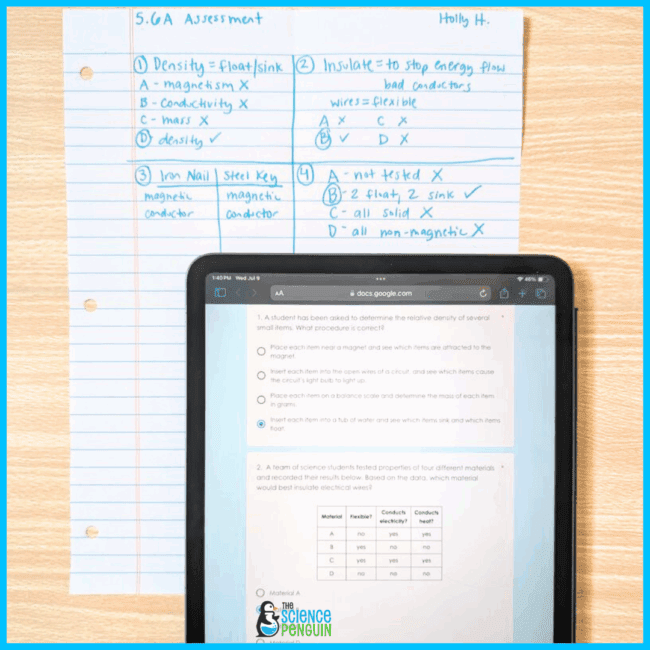
This strategy even works with assessments in the classroom! As a teacher, you can get a lot of insight by taking a peek at their Think Sheets after an assessment.
You could use that information to clear up misconceptions and see exactly why a student may have been confused!
If students can get into this habit throughout the year during classroom testing, they’ll know exactly what to do when the state test arrives.
Example Analysis
Let’s take an in-depth look at an example to go over dos and don’ts when making a Think Sheet.
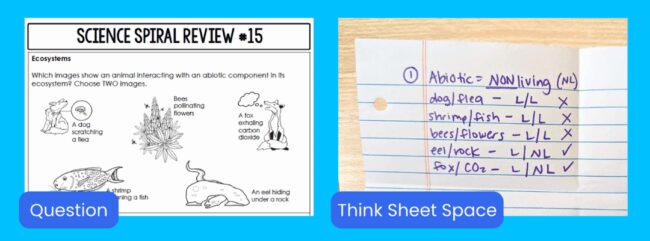
Here we have a question from Week 15 of the 5th Grade TEKS Spiral Review. The question asks us to find two examples of animals interacting with abiotic components in the ecosystem. So, what’s important here? First, students need to know what abiotic is, so a quick reminder of that vocabulary is helpful.
Notice we wrote “abiotic = nonliving” instead of a whole sentence. Keep it short and sweet!
For this question, it would be helpful to identify each interaction. Quick notes about each image can help to eliminate answers, with a check or x to show if they represent what the question is asking. Then the student can easily see the two answers that are needed.
It’s important to only jot down what’s most helpful. In this case, it was a vocabulary reminder and answer elimination. Other questions might call for a diagram or mnemonic device. And of course, students may approach questions differently, and that’s okay too!
Summing it Up
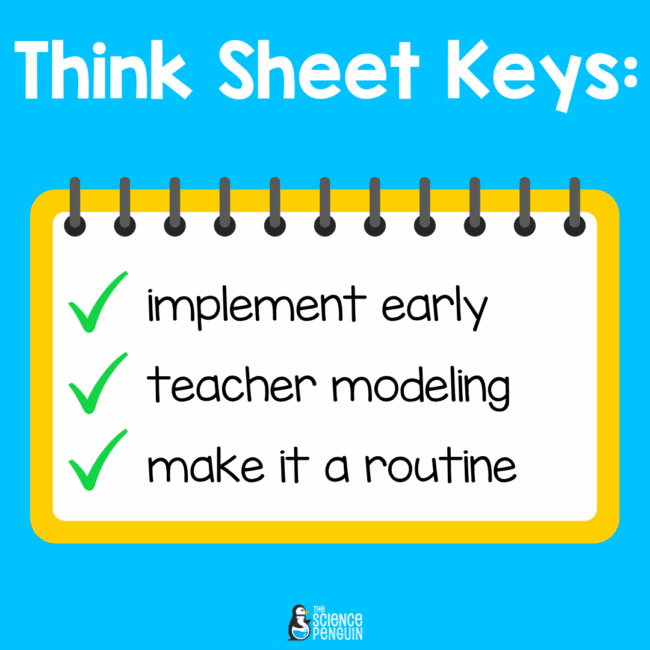
Early implementation, modeling and consistency are the keys to using Think Sheets effectively. If you begin implementing Think Sheets at the beginning of the year, showing students your thinking as your model them, and using them with any routine question-based activities or assessments, students won’t have to wonder what to do with their scratch paper when standardized testing day arrives in the spring!