The Scary, Scary Output of Science Notebooks: Advice for Teachers
To retain new information, students need consolidation time. One of my favorite ways to do this in upper elementary science is through interactive notebooks.
At the end of a lesson, plan for 5-10 minutes for students to reflect on new learning from the day.
It can sound tricky, but it’s absolutely doable if you model and maintain flexibility.
Interactive notebooks won’t all look just the same; students will have their own opportunities to reflect and show what they know. I did this using an “I Learned” page after every lesson/lab that we used our notebook. That may look different for you and that’s okay! My students were quite impressive by the end of the year, but it didn’t happen overnight. It took some strategy and planning.
5 Ways to Develop Strong Output
Examples
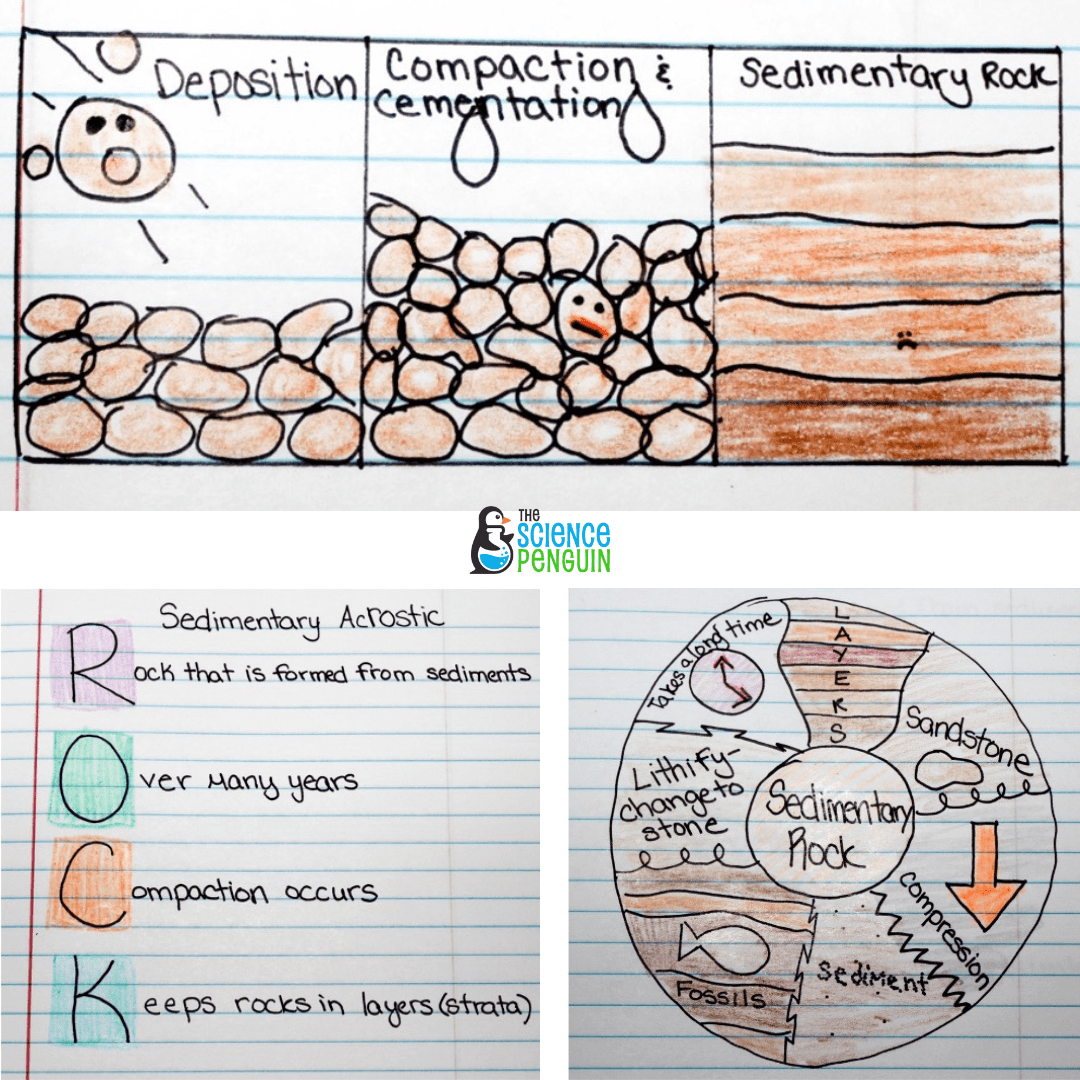
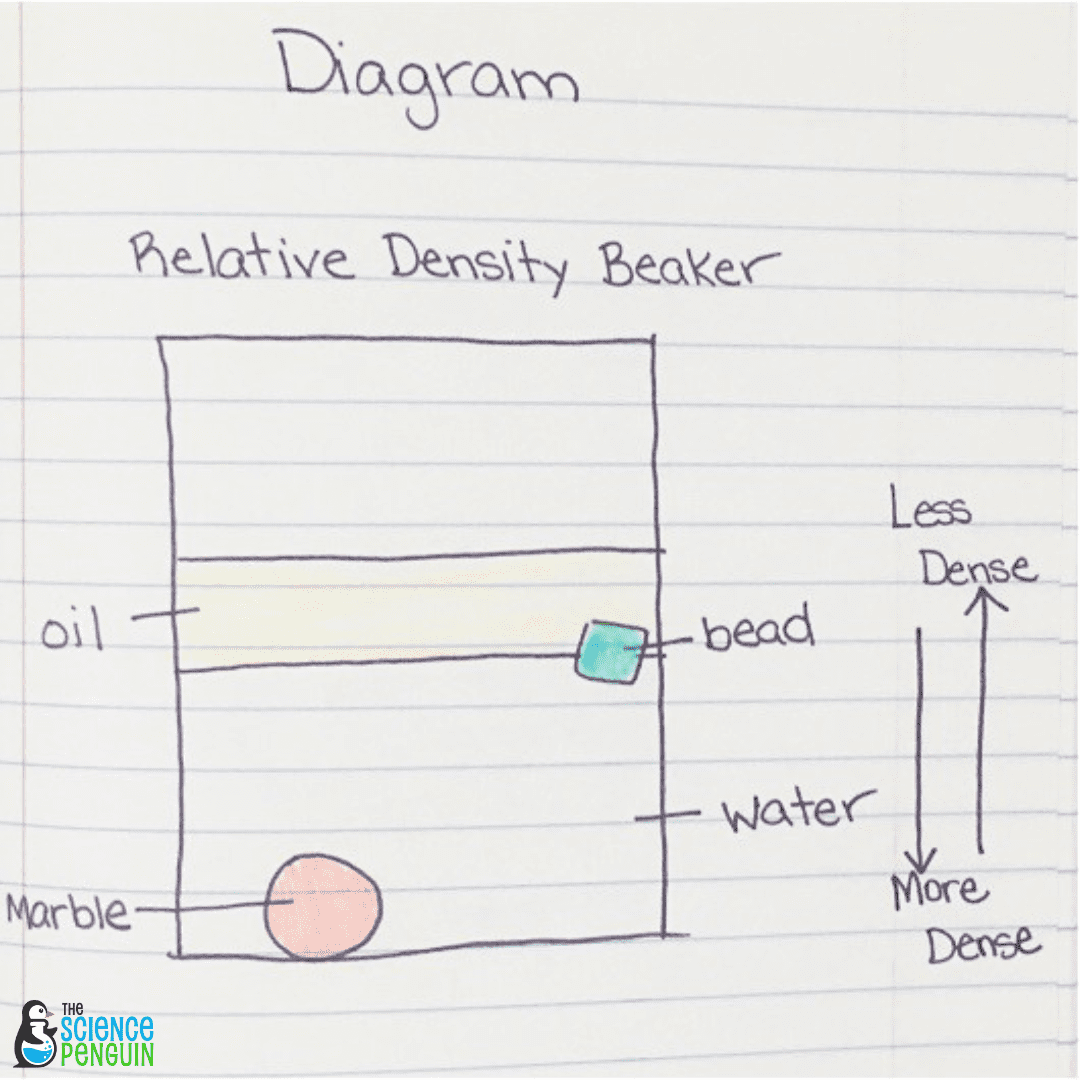
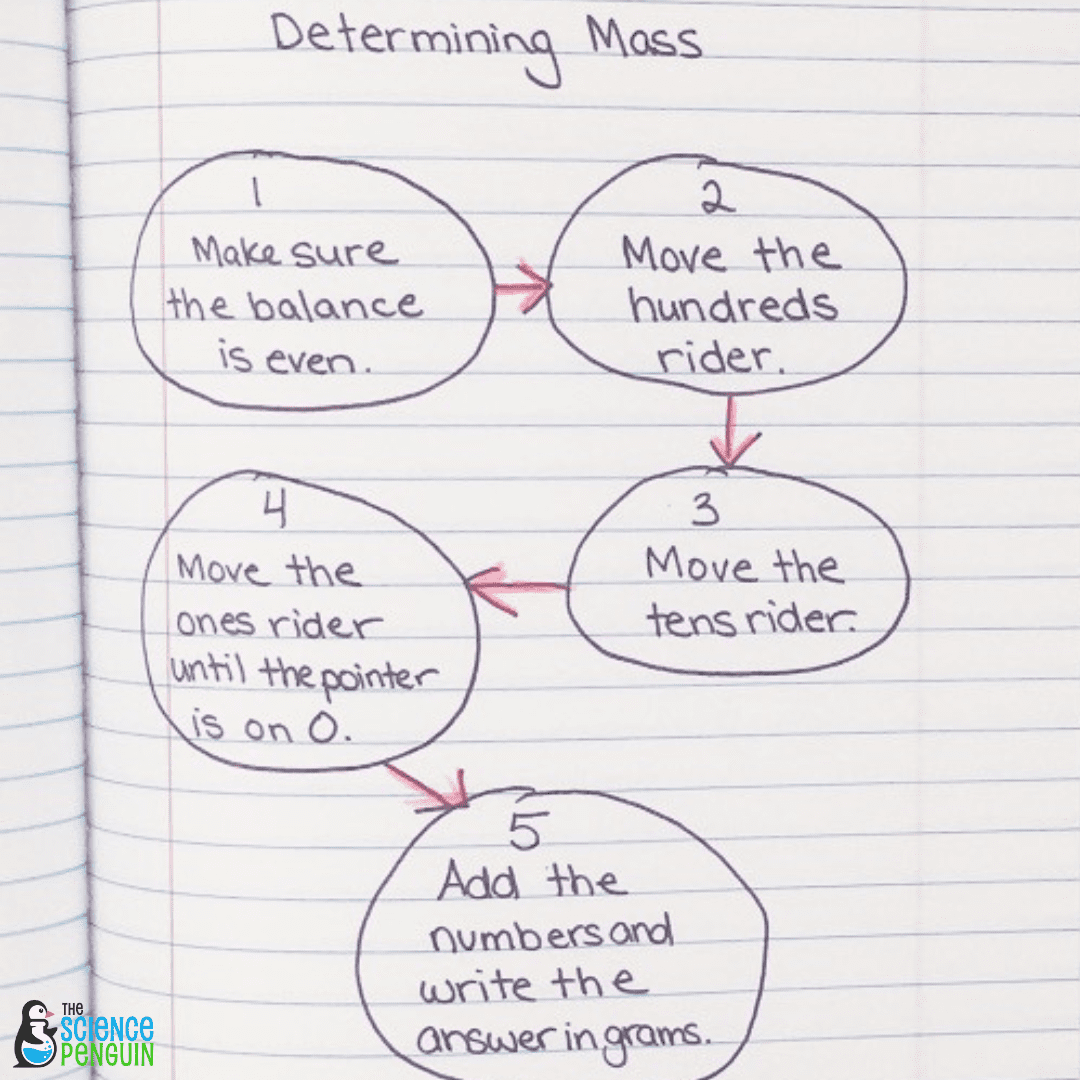
Four different students will have four different ideas about how to process their learning. Output is automatic differentiation!
Here are some ways they might process new learning in their Output.
Keep In Mind
You don’t have to make your students say, “I’m going to choose Acrostic for today’s output.”
Teach them the different options for a few weeks, then set them free.
Model output at first.
Show examples of what other students are doing. Those ideas will stay in their heads and you will see creativity increase over time.
Provide specific verbal feedback as you walk around.
Many students will do a combination of things. Maybe they draw and write. Go with it!
Meet with students during your 10-minute Output time to check for understanding.
The easiest Output to start with is providing a sentence stem.
Drawing and doing a Quick Write about what they learned was the most popular “I Learned” page for my students.
You may want to encourage individual students to mix it up a bit, but forcing an Output on students doesn’t end well.
Remember this is their time to CHOOSE how to process and apply new learning.
Be flexible!
Sign up for the free guide!
Sign up using your personal email and check your email now for immediate access to Setting Up Your Science Notebook.