Beyond Sink or Float: 10 Ideas for Teaching Relative Density
Relative density can be an amazing unit for students in 3rd-6th… we just need to add some hands-on investigations to take “sink or float” to the next level.
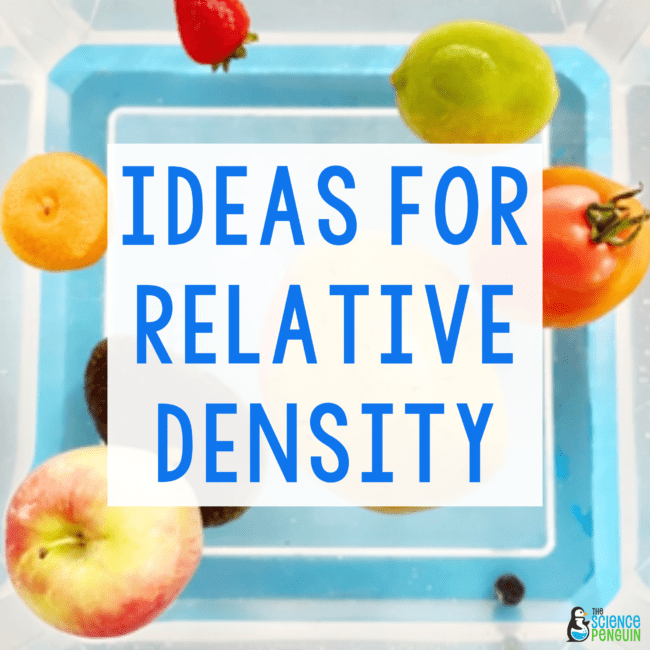
In 3rd grade, we are still investigating “sink or float.” I like to challenge the idea that big things sink and little things float by putting fruit in water.
BTW, in 4th and 5th grade, I use the term relative density rather than “sink or float”.
In those grades we also study mass and volume so we can use the relationship between mass and volume in density as well.
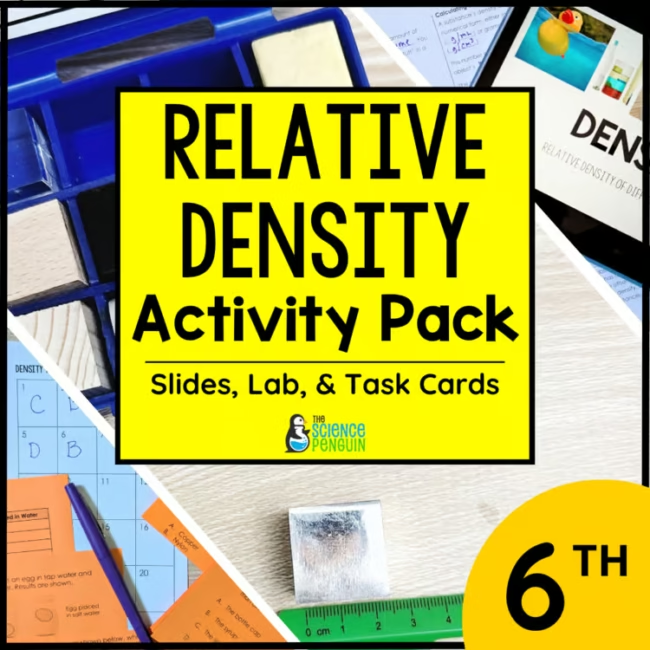
By 6th grade in Texas, students are expected to compare the densities of substances with those of different types of liquids, such as vegetable oil. We even include some numbers (g/mL) and have advanced students calculate density.
Here are 10 ideas for relative density.
1. 🌳 Natural Objects
Set up a tub of water outside and look around the schoolyard to find natural objects to test.
Discuss which items float and which sink.
Discuss why they sink or float.
Discuss how one material could be used based on its ability to sink or float.
2. 🍊 Peeled vs. Unpeeled Orange
Let’s compare the physical properties of an orange with a peel to a peeled orange.
For this activity I used mandarin oranges.
We compared the volumes and masses of peeled vs. unpeeled and observed their relative density.
Then we wrote a simple claim with evidence to explain why the peeled orange sinks while the unpeeled orange floats.
Try it on your own or see more in Matter Labs in a Snap on TpT: Labs in a Snap
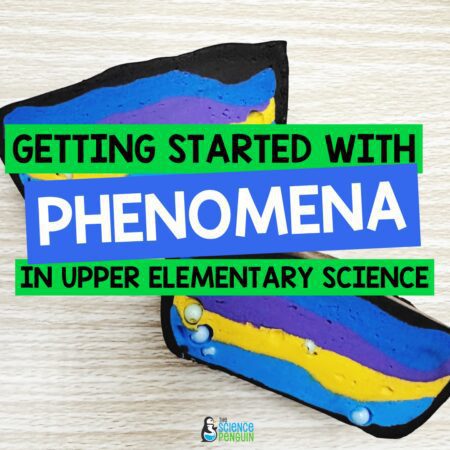
3. 🧃Relative Density in a Density Column
Density columns are a popular hands-on lab for good reason. You can use whatever materials you have on hand and they are FUN!
In this density column, I used light corn syrup, blue-colored water, and vegetable oil. There are a few tiny objects in there too.
After you make your density column you can practice making statements comparing the densities of matter.
This is one of my favorite units ever and perfect for 5th grade.
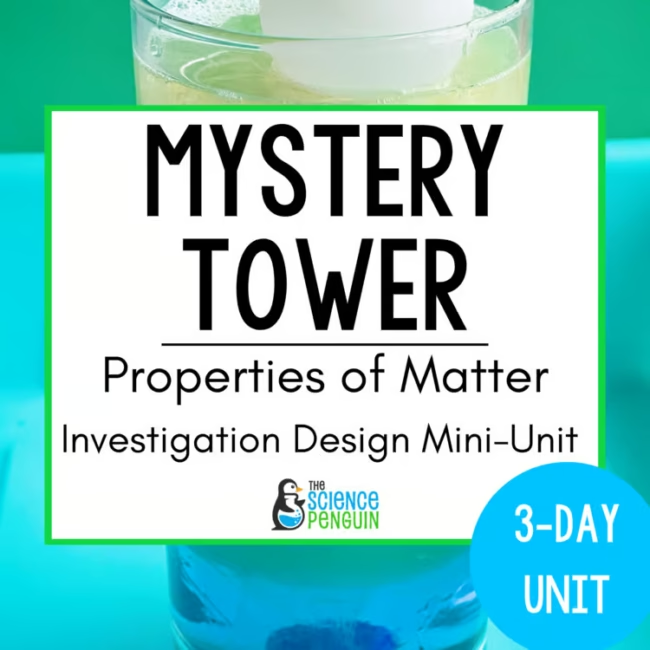
Explore why massive objects like ships float in water. Follow the 5E Model, incorporating CER, hands-on activities, reading, science notebooks, investigations, vocabulary, a quiz, and an open-response prompt.
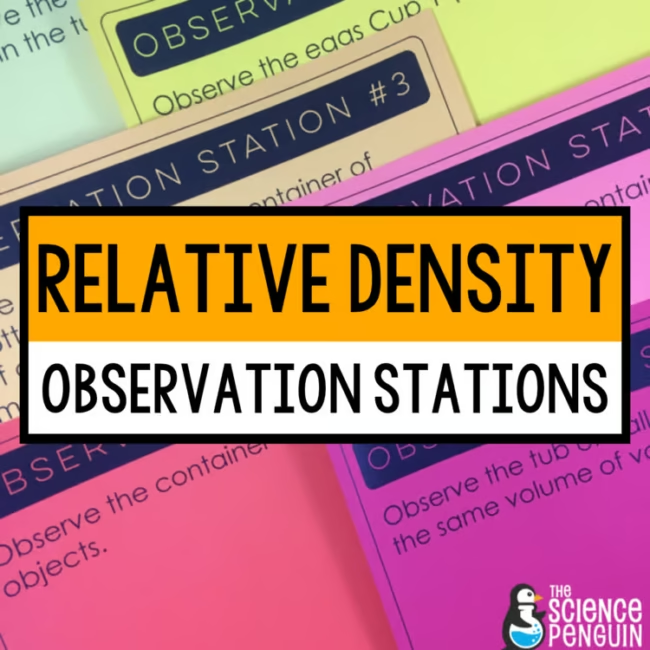
There are a couple of ways to introduce this activity. First, you can use Relative Density Observation Stations which includes 6 demos for students to analyze.
Second, introduce it as a challenge. Fresh eggs sink in water. So how can you make it float? Make a list of student ideas.
A somewhat saturated saltwater solution will make the egg float. BTW… letting the egg rot will also make it float. I do not recommend. 😅
6. 🎁 Foil
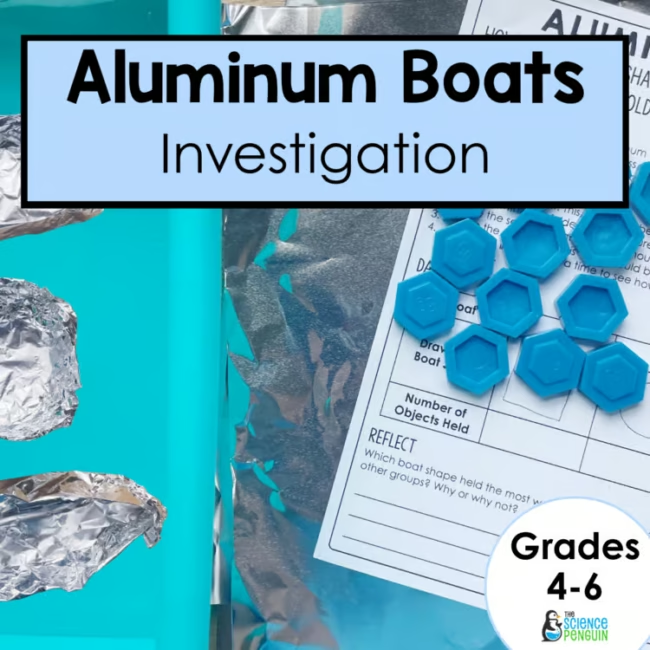
Compare a flat piece of foil with a ball of foil. The ball has lots of air pockets, so it floats. The sheet of FLAT foil sinks.


 Aluminum Foil Boats
 Aluminum Foil Boats

 Density Cubes