5 Hands-On Activities for Teaching about Sedimentary Rock Formation
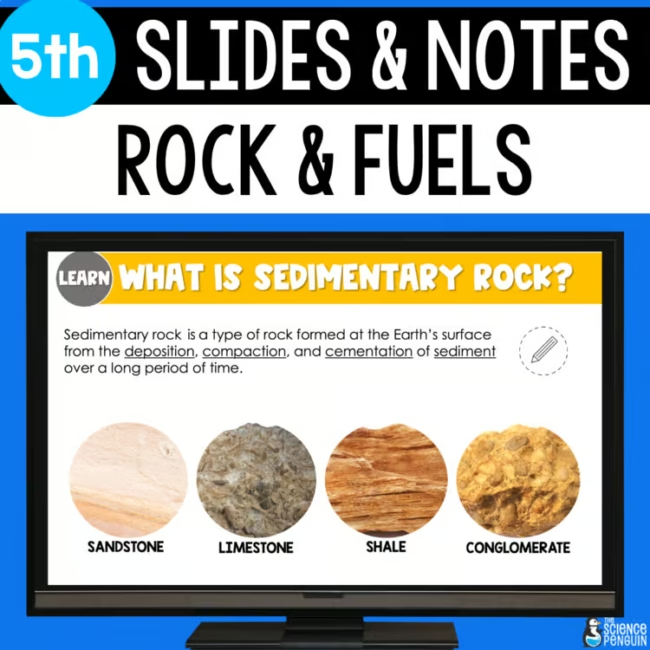
Sedimentary rock is formed when layers of sediment, such as sand, mud, and small rocks, are pressed and cemented together over time.
Here’s what happens:
Sediment is created when rocks and minerals are broken down by weathering and erosion. This can happen when wind, water, or ice wear away at the surface of the Earth.
The sediment is carried away by the wind, water, or ice and deposited in a new location, such as a riverbed or ocean floor.
Over time, more and more sediment is added to the layer, and the weight of the sediment causes it to be pressed and compacted together.
As the sediment is compacted, the spaces between the particles become smaller and smaller, and the sediment becomes more solid.
Sometimes, minerals in the sediment can dissolve in water and then re-crystallize, forming a cement that holds the sediment together.
When the sediment is compacted and cemented together, it becomes sedimentary rock.
Now I’ll share 5 of my favorite activities that I used during my sedimentary rock unit. Hope you love these ideas!
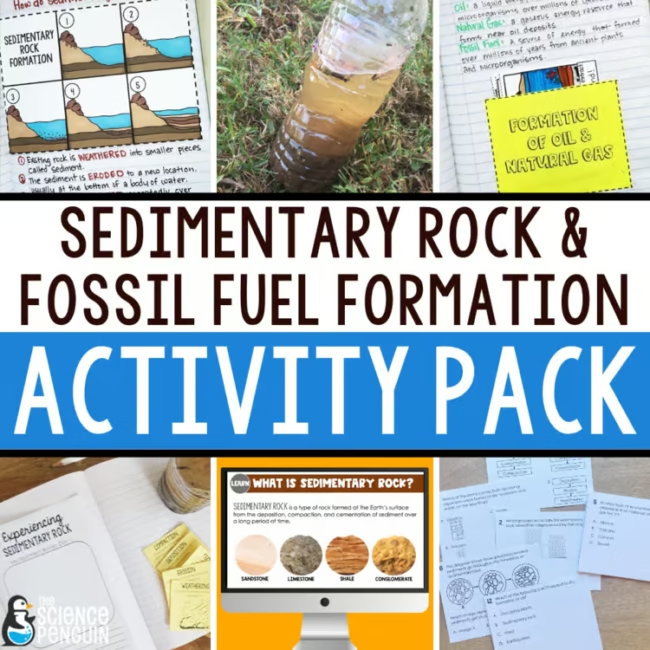
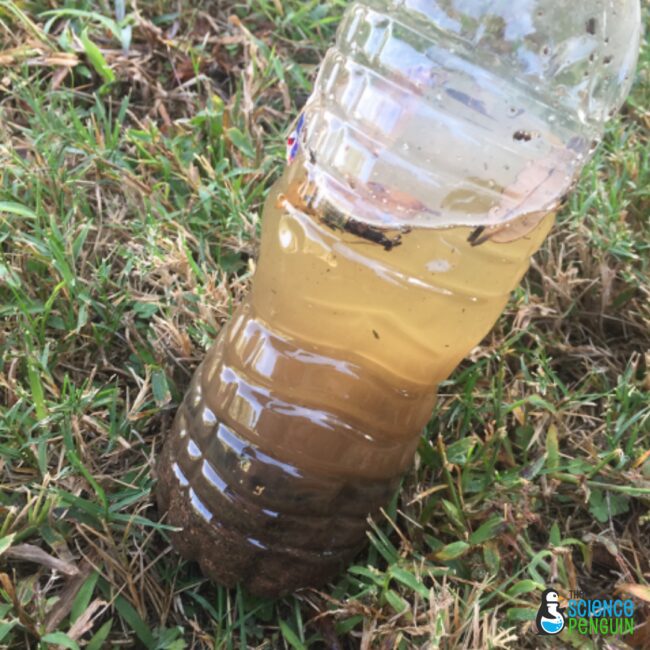
🪨 Sedimentary Rock Bottles
Make sedimentary rock bottles with your students to help them understand the processes that lead to sedimentary rock formation.
This hands-on investigation allows your students to visually see the vocabulary terms such as weathering, erosion, deposition, cementation, and compaction without giving the words away when initially exploring.
Want to integrate the “A” in STEAM? Give your students various craft materials such as buttons, stamps, colored paper, or even different edible items such as beans, noodles, candy, or any small objects to create a collaborative art piece.
Students work together to use the materials to form various layers stacked on top of each other no larger than an 8.5×11 piece of paper.
Give students time to share with other teams why they chose the materials and what led them to create their patterns.
Grand Canyon Phenomenon
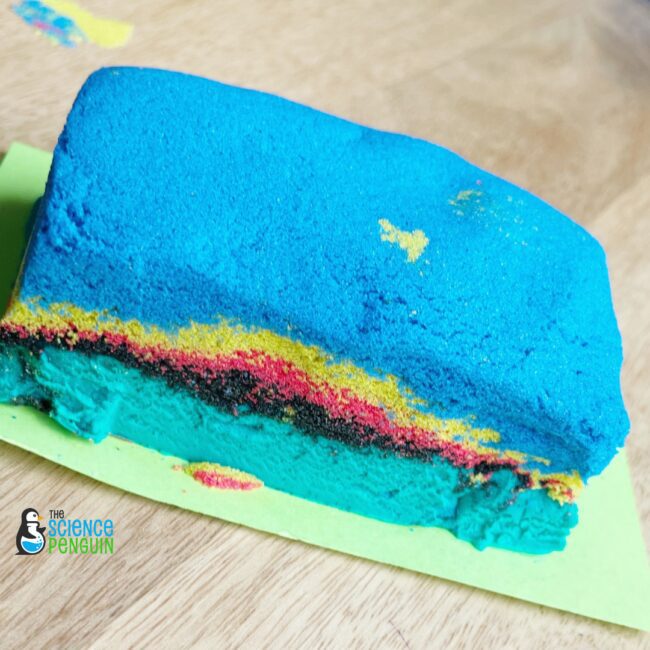
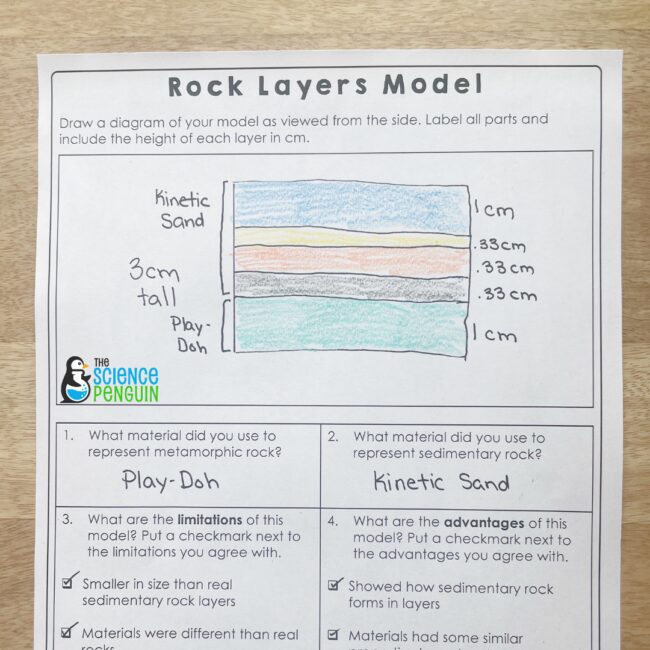
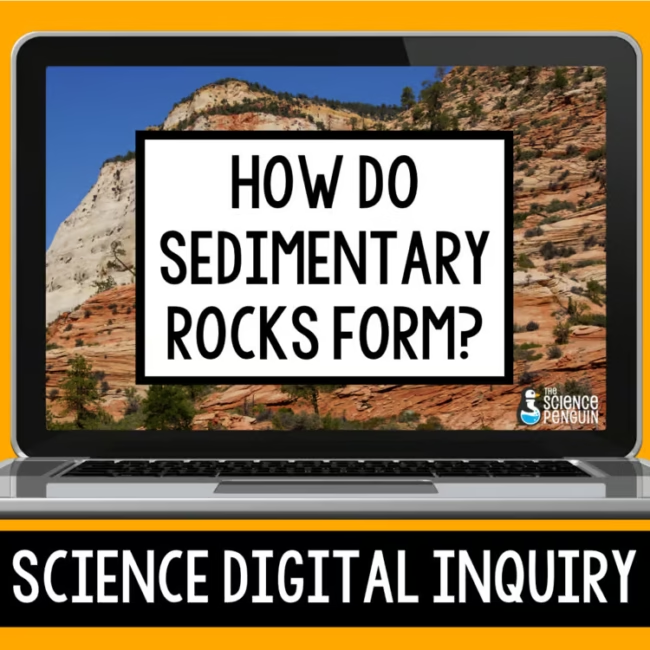
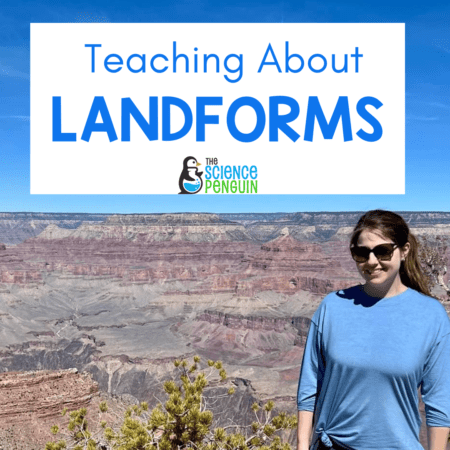
Use the Grand Canyon to introduce earth science concepts, including sedimentary rock formation.
“This was fun and educational! It gave my students a great visual to learn about strata and how it forms.” -Jennifer
“This was an amazing introduction. My kids loved making the Grand Canyon with kinetic sand and play dough.” -Lindsay
Students will get an in-depth look at sedimentary rock formation and weathering, erosion, and deposition and apply that knowledge throughout the rest of their earth science studies.
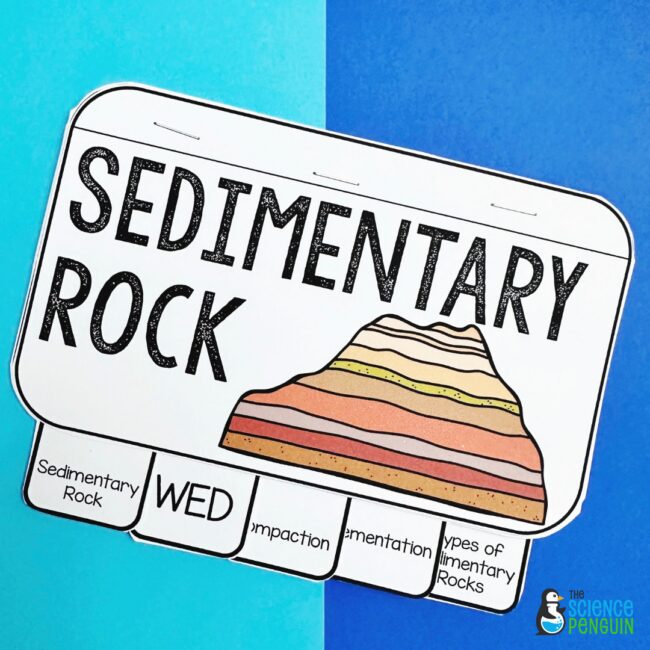
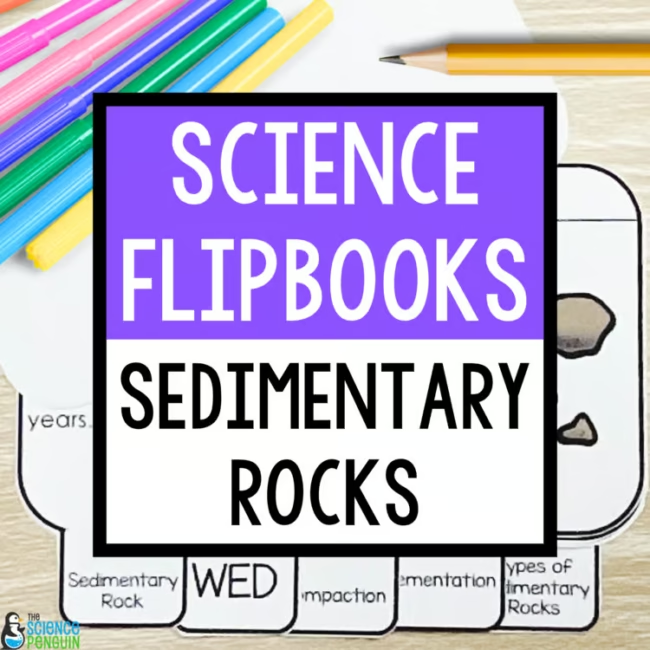
Need a NO PREP science review activity? Make flip books to review sedimentary rock formation. This flip book is easy to assemble and fun to create with students as they wrap up their learning about sedimentary rock!



 Grand Canyon Phenomenon